
Too Big to Wing It
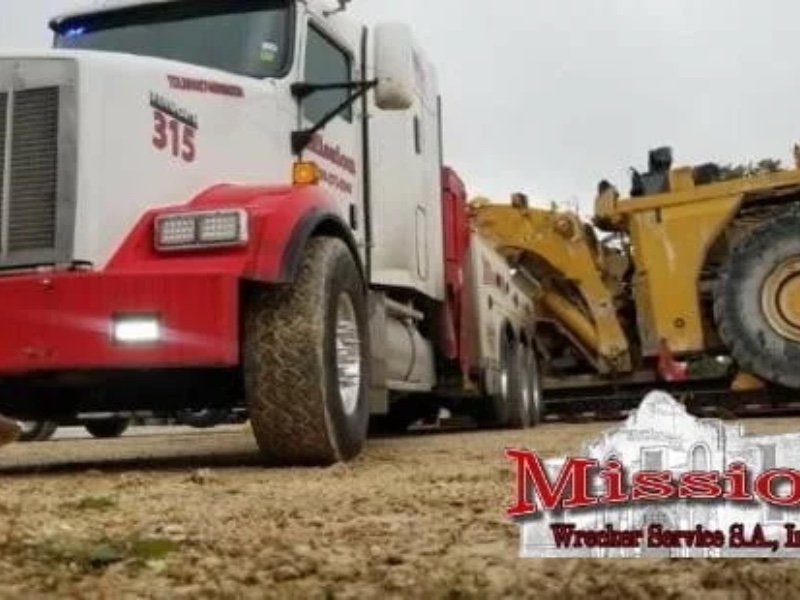
Heavy transports often start at the drawing board. Wonder why? Imagine the following scenario: at 5:40 one morning on Loop 410, we get a call about a loaded excavator headed toward a job site on the far South Side. The driver has clearance paperwork, permits, escort scheduling, the whole deal. Then road construction overnight shifted traffic into a tighter lane setup and suddenly that transport route through San Antonio wasn’t going to work anymore. Stuff like that happens more than you’d think, especially with San Antonio heavy transport jobs moving through fast-growing parts of Bexar County.
A lot of people assume heavy transport (and even heavy towing) is mostly about horsepower and trailers. Truth is, the planning usually takes longer than the move itself. Some jobs only travel 40 miles but still take half a day of prep because of bridge heights, weight limits, railroad crossings, and traffic timing.
Route Planning Starts Before the Move
The first thing we look at during a transport job is the route itself. Not just mileage. We need to check overhead clearances, construction zones, tight intersections, utility lines, and road conditions.
A route that works fine for a flatbed carrying steel might completely fail for a tall piece of equipment moving on a lowboy trailer.
San Antonio and its surrounding areas keeps changing too. One month a road is open, next month crews are tearing up lanes near I-35 or widening ramps near Highway 90. We could have jobs rerouted because fresh concrete barriers narrowed the turn radius by just a couple feet. That’s enough to stop our movement.
Timing is Crucial Too
Moving oversized loads through downtown at 4:30 p.m. usually turns into a mess. We try to move early mornings, late evenings, or during lower traffic windows whenever permits allow it. Some counties also restrict travel times depending on load width or weather conditions.
Rain changes things fast around here too. Wet pavement affects braking distance and traction, especially with construction equipment or loaded machinery. A San Antonio heavy transport setup weighing over 100,000 pounds does not stop quickly on slick pavement.
Permits, Escorts, and Weight Calculations Take Coordination
Permits are a huge part of San Antonio heavy transport planning in Texas. Every axle weight matters. Height matters. Width matters. Even the exact route matters because permits are tied directly to approved roads and travel conditions.
Some loads also require:
- Front escort vehicles
- Rear escort vehicles
- Police escorts
- Utility coordination
- Temporary traffic control
- Bridge engineering review
Weather and Local Roads Change the Entire Plan
South Texas weather causes problems people outside the industry don’t always expect. Wind affects tall loads more than weight does sometimes. We’ve delayed San Antonio heavy transport moves because gusts across open stretches near Castroville or I-37 made conditions too unstable for safe travel.
Older roads can create issues too. Certain industrial areas around San Antonio still have narrow access roads built decades ago before equipment got larger. Turning into some job sites takes spotters, careful positioning, and sometimes temporary removal of fences or signs.
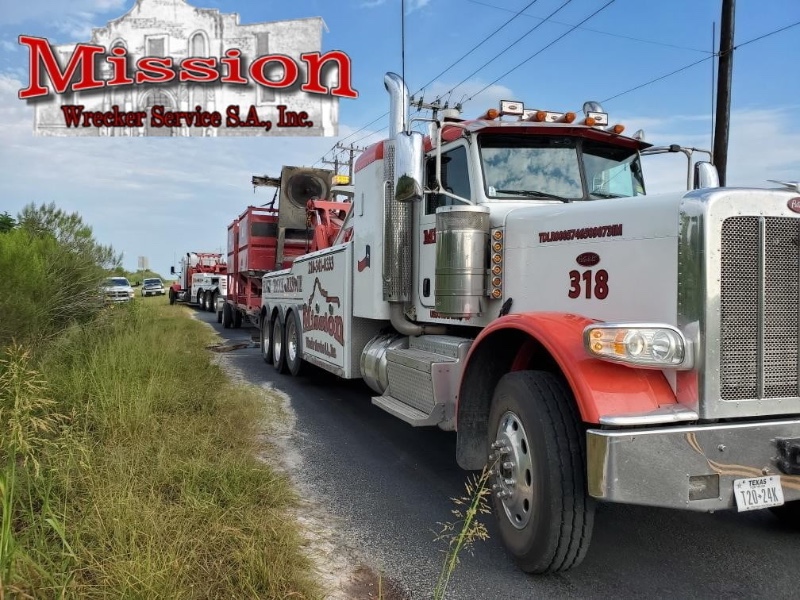
San Antonio Heavy Transport by Mission Wrecker: No Load Left Behind
Mission Wrecker Service started back in 1970 serving local dealerships and police agencies with light duty towing and recovery work around San Antonio. Over the years the company expanded into larger towing and recovery operations, eventually growing into medium and heavy duty services for customers across Texas.
Today, Mission Wrecker Service handles San Antonio heavy transport operations with a combination of experienced dispatching, GPS tracking, route coordination, and around the clock support. Their dispatch office stays open 24 hours a day, every day of the year, which matters because San Antonio heavy transport problems rarely happen during normal business hours. Around San Antonio, a lot of oversized loads still move through crowded construction zones, oil field routes, industrial yards, and older highways where planning ahead saves hours once the wheels actually start turning.
FAQs
How far ahead should an oversized move be planned?
Most moves should be planned several days ahead. Larger or taller loads may need more time for permits, route checks, and escort scheduling.
What can delay a large equipment move?
Weather, road work, low bridges, tight turns, and permit restrictions can all cause delays. A small route change can affect the whole schedule.
Do all oversized loads need escort vehicles?
No. Escort needs depend on the load’s height, width, weight, and route.
Who checks if a load is secured correctly?
The operator should inspect the load before leaving and during the trip. Chains, binders, straps, tires, and trailer position all get checked.
Can heavy equipment be moved at night?
Sometimes, but it depends on permits and road rules. Some routes limit travel to daylight hours.
What information should I have ready before calling?
Have the equipment type, weight, height, pickup address, drop-off address, and any site access issues ready. Photos help too.