Axles, Bridges, and Paperwork
Big rigs, RVs, machinery… hauling oversized loads often isn’t just hooking up and heading out. If you need I-10 heavy towing, success starts with smart planning. Bridge clearances, axle weight limits, and special permits all factor into a safe, legal trip with the right tow truck and gear. Getting these details right is essential, whether you’re moving construction equipment or pulling a multi-axle truck across state lines.
Bridge Clearance: When Every Inch Counts
Bridge clearance can be a deal breaker. Overpasses and highway structures vary across interstates, city roads, and tunnels, with some sections dipping below standard heights. Before any I-10 heavy towing job, drivers and dispatchers check measured heights for every route segment, especially tunnels and older bridges. Mistakes can lead to damaged equipment or traffic headaches. Always compare your load’s total height, including truck and cargo, against official clearance charts. Planning means less worry and keeps your trip moving smoothly, even through busy stretches.
Axle Weight: Why It Matters for Every Heavy Tow
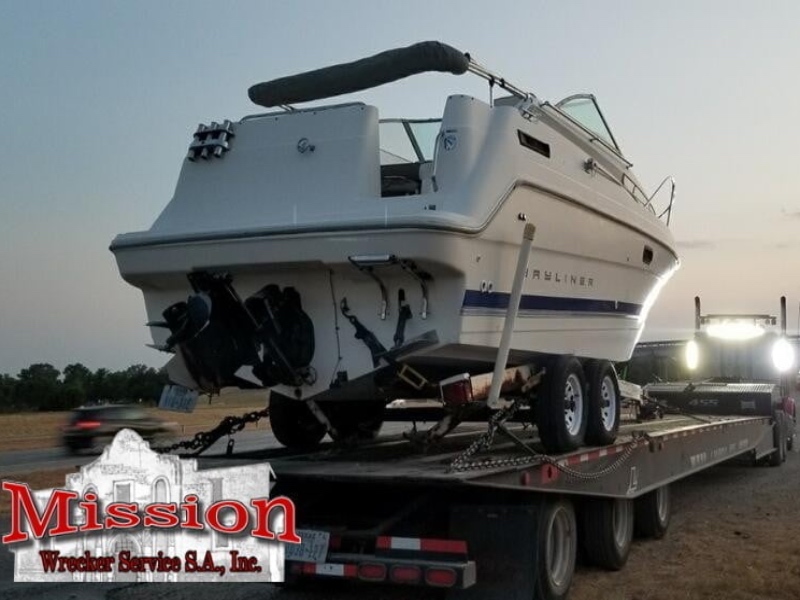
Axle weight limits protect both vehicles and infrastructure. Therefore, all heavy towing operations must obey posted weight limits at all times for each state. Too much load on one axle risks blown tires, brake failure, or fines at weigh stations. Towing pros balance loads, use multi-axle trailers, or even adjust air suspension systems to avoid problems. You’ll see that proper weight distribution is always central to heavy towing safety and compliance.
Permits: Navigating Legal Requirements
Special permits are non-negotiable. Oversized and overweight loads require advance paperwork, detailing the route, timing, and load specifics. Permits may cover overnight travel, pilot car requirements, or even local police escorts for truly large moves. States along I-10 each set their own guidelines, so permit planning often takes days, not hours. Skimping here can lead to costly delays or even seized cargo.
Smart Planning Avoids Surprises
Well-prepared I-10 heavy towing teams consider bridge clearance, axle weights, and permitting before ever setting out. Smart planning leads to fewer breakdowns, smaller risks of citations, and better cooperation with local law enforcement and highway authorities. The most reliable operators keep detailed checklists for every tow, using state databases and route planning software to stay current. When weather changes, construction alters traffic patterns, or special events close sections of the route, crews change plans as needed and communicate clearly with clients.
Mission Wrecker: Your I-10 Heavy Towing Partner for Oversized Moves
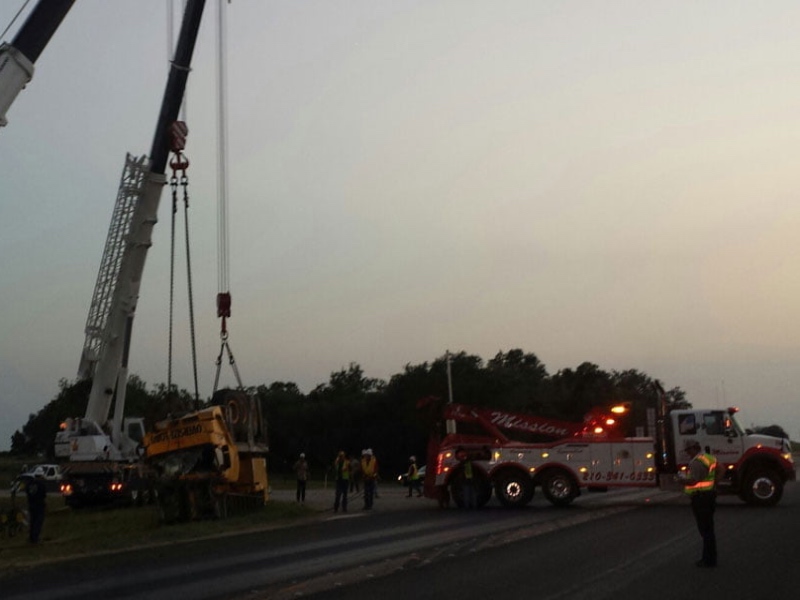
At Mission Wrecker, I-10 heavy towing means precise planning for every job. Our operators specialize in oversized loads, balancing axle weights, and securing all needed permits before the work starts. We use accurate I-10 heavy towing route mapping and up-to-date clearance data to avoid surprises on the road. Whatever you need moved: equipment, containers, or commercial vehicles, our I-10 heavy towing service answers your call with technical skill and local knowledge. Mission Wrecker delivers reliable results, from routine hauls to the most complex recoveries, across the I-10 corridor and beyond.
FAQ
1. What should I check before towing a heavy load on the interstate?
Review bridge clearances, axle weight limits, and required permits for your route. Measure the total height of the truck and cargo, confirm your axle weights, and ensure all paperwork is in order to avoid delays or penalties.
2. How can I find bridge clearance information for my route?
Most state DOTs maintain online databases or printable maps with clearance details for all major highways and bridges. Use these alongside up-to-date GPS routing tools to plan your journey and prevent costly mistakes.
3. Why are axle weight limits so important in heavy towing?
Proper axle weight distribution protects against tire blowouts, brake strain, and road damage. Overweight axles can also mean citations at weigh stations and unsafe driving conditions. Always check your truck’s specifications before any haul.
4. Who is responsible for securing permits for oversized towing?
The towing company or the cargo owner must obtain the permits before travel. Permits outline routes, allowed travel times, equipment requirements, and additional safety needs such as pilot cars or escorts.
5. Are permits required for every heavy-duty tow?
Not all heavy hauls need permits—only those exceeding standard dimensions or weight limits set by each state. If you’re unsure, consult with your towing provider to clarify the requirements for your specific load.
6. How far in advance should permits be applied for?
Permit timelines vary by state and route complexity. Simple moves may take a day, while complicated or multi-state hauls could require several days or a week for processing. Plan early to avoid unexpected delays.