
A Tow Truck Cannot Solve Every Problem
The road can look harmless at first glance. A shoulder seems wide enough to pull onto, a dirt turnout appears firm, or a rain-soaked patch of grass beside the interstate feels stable for a second. Along busy highways, we often respond to heavy recovery calls that begin with a driver saying they need I-10 heavy towing, only to find that the vehicle never needed a tow in the first place.
A winch-out works best when a vehicle sits stuck in mud, sand, a ditch, loose gravel, or a soft roadside shoulder. The vehicle usually still runs, and the tires can often turn, though they have no grip. Instead of loading the vehicle and hauling it away, we secure a cable to a strong recovery point and pull it back onto solid ground.
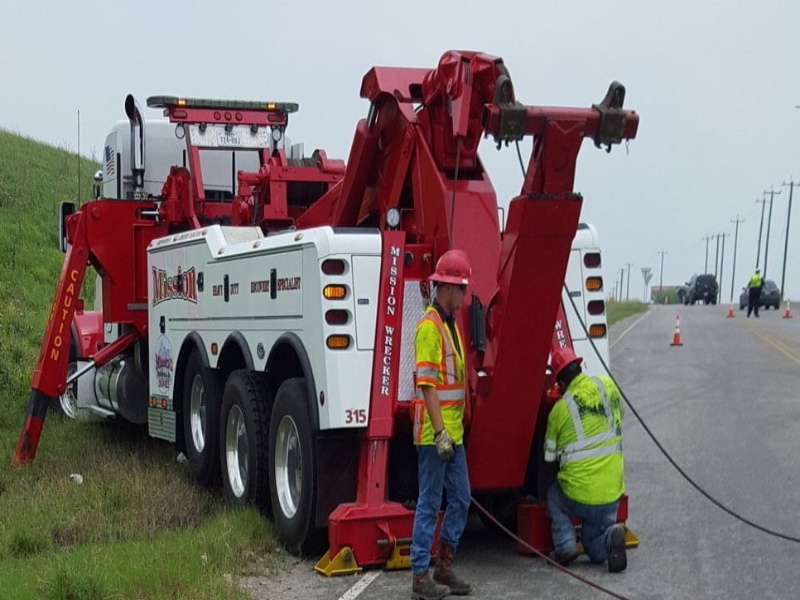
Signs That You Need a Winch-Out
We usually know a vehicle needs a winch-out when the wheels spin and the vehicle stays planted in the same spot. That often happens after heavy rain, during construction detours, or after a driver drifts too far onto the shoulder. A tow truck can reach the scene, though the goal changes from transport to recovery.
Several situations point toward a winch-out instead of a standard tow:
- The vehicle sits in a ditch beside the road
- The tires sank into mud or loose sand
- One side of the vehicle slipped off the pavement
- The vehicle rests on a steep shoulder or embankment
- A trailer jackknifed into soft ground
In these situations, we prepare for a heavy towing job, though the first step involves recovery. Once we pull the vehicle back onto stable pavement, we can decide if it needs additional service.
How a Winch-Out Works
We start by checking the angle of the vehicle and the condition of the ground. A vehicle buried in wet soil needs a different approach than one perched on a rocky slope. We also inspect the front and rear recovery points so we can attach the cable without damaging the frame.
After that, we position the truck where it has the strongest footing. Our operator extends the winch line, secures the hook, and slowly pulls the vehicle toward stable ground. Many of our I-10 heavy towing calls involve this exact process before we move on to anything else.
A careful pull matters because sudden force can break parts or shift the vehicle in the wrong direction. We keep the line steady and guide the vehicle inch by inch. That method helps us recover cars, pickup trucks, SUVs, and larger commercial vehicles during.
Places Where Drivers Commonly Get Stuck
The shoulder beside the interstate causes more trouble than many drivers expect. A tire drops off the edge of the pavement, and the driver tries to steer back too quickly. The vehicle slides into soft dirt, and the problem grows within seconds.
Construction zones create another common recovery spot. Fresh gravel, uneven ground, and narrow lanes leave very little room for error. We handle many I-10 heavy towing recoveries near work zones because drivers often pull over where the ground cannot support the weight of the vehicle.
Bad weather adds another layer to the problem. Rain loosens dirt along the roadside, and strong winds can push a vehicle farther off the pavement than expected. During those conditions, we stay ready for I-10 heavy towing calls that begin with a winch-out and end with the driver back on the road.
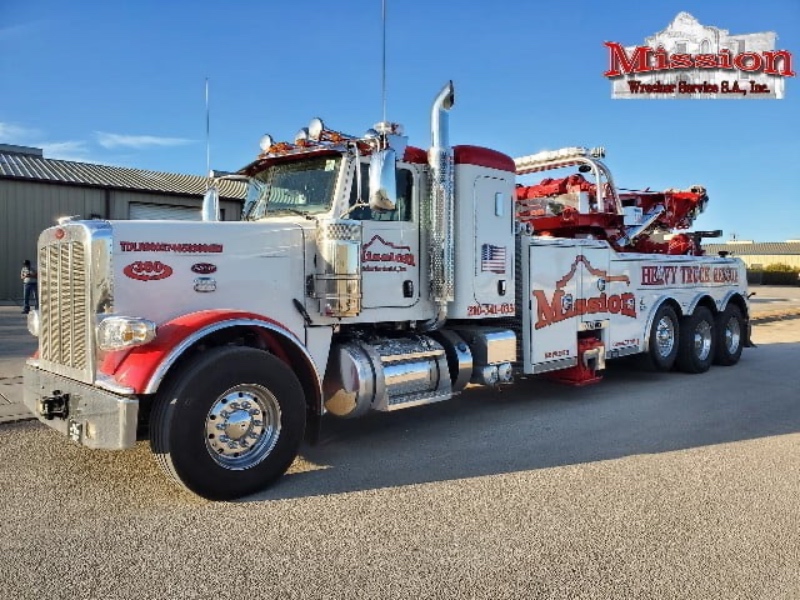
Mission Wrecker Service Handles I-10 Heavy Towing and Winch-Out Calls
At Mission Wrecker Service, we spend a great deal of time helping drivers who feel stuck in more ways than one. A vehicle trapped in a ditch or buried in soft ground can leave a driver frustrated and unsure of what to do next. We arrive with the equipment and experience needed for I-10 heavy towing, and we know when a careful winch-out will solve the problem faster than a full tow.
We serve drivers along the interstate every day, and we know the roadside conditions that often lead to these calls. Our crew handles passenger vehicles, work trucks, trailers, and larger commercial equipment. During I-10 heavy towing situations, we focus on getting the vehicle back onto stable ground and helping the driver move forward as quickly as possible.
FAQ
How do I know if my car needs a winch-out?
If your tires spin and the vehicle does not move, you may need a winch-out. This usually happens when a car sits in mud, sand, loose gravel, or a ditch.
Can a vehicle still drive after a winch-out?
Yes, many vehicles can drive again after recovery. Once the vehicle reaches solid ground, the driver can often continue the trip if there is no damage.
Will a winch-out damage my car?
A proper recovery should not damage the vehicle. We attach the cable to approved recovery points and pull the vehicle slowly to keep everything stable.
What should I do while waiting for help?
Stay inside the vehicle if you are in a safe place away from traffic. Turn on your hazard lights and avoid pressing the gas pedal, since spinning the tires can make the vehicle sink deeper.
Can larger vehicles need a winch-out too?
Yes, pickup trucks, vans, trailers, and work vehicles can all get stuck. Soft ground and steep shoulders can trap vehicles of any size.
How long does a winch-out usually take?
Most recoveries take less time than a full tow. The exact time depends on the condition of the ground, the position of the vehicle, and how difficult it is to reach.