
Sitting Pretty, Starting Ugly
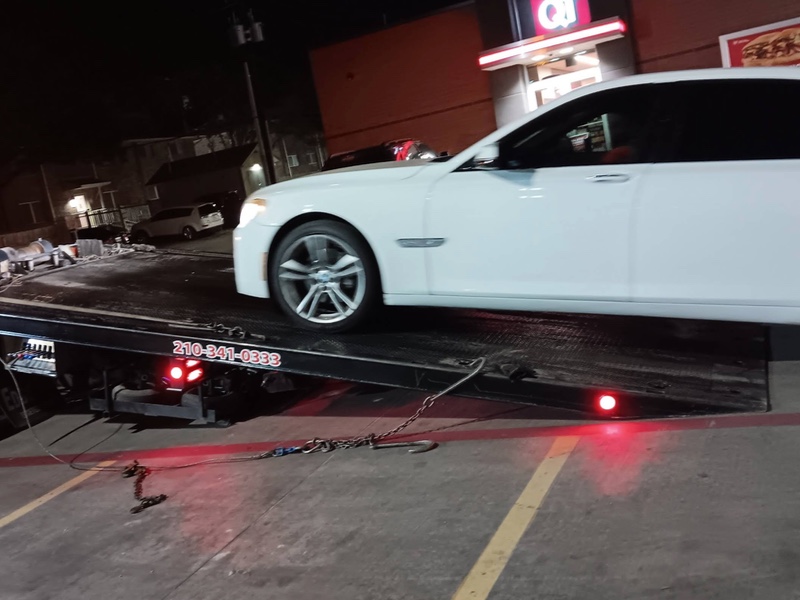
Some roadside assistance calls our Castle Hills towing team receives have nothing to do with accidents or road breakdowns. They come from drivers who left a vehicle parked for weeks or months and returned to find it unable to start or safely drive. The deterioration happened while it was standing still, gradually and without warning.
How the Car Changes When It Does Not Move
Mechanical systems depend on regular use to stay in working order. The fluids, seals, and metal surfaces inside an engine are designed to circulate, heat cycle, and move. When a vehicle sits for weeks or months, those conditions disappear. Fluids settle, seals dry, and surfaces that depend on lubrication develop light corrosion. None of this is visible until the driver turns the key.
Fuel is one of the fastest casualties. Modern gasoline blends, particularly those with ethanol content, begin to break down within 30 to 45 days in a static tank. As they degrade, they form varnish deposits that coat fuel lines, injectors, and intake components. An engine run on degraded fuel may refuse to start or run erratically until the compromised fuel is replaced.
Three Systems That Break Down in Storage
The Fuel and Ignition System
Fuel degradation does not stop at the tank. Rubber fuel lines dry and can crack under normal operating pressure. Injectors accumulate varnish deposits that restrict fuel flow. Spark plug threads can corrode in their bores, complicating service later. In a Castle Hills towing call that originates from a vehicle stored without fuel stabilizer, fuel system problems are among the first causes our dispatchers hear described.
Brakes, Tires, and the Rolling Gear
Brake rotors develop surface rust quickly, sometimes within 24 to 48 hours of sitting in humid air. Heavier oxidation from weeks of storage can reduce braking performance and cause uneven pad contact until the rotor surface wears clear. Tire pressure drops at roughly one to two PSI per month, and tires resting on the same contact patch for extended periods can develop flat spots that cause vibration at highway speed and may not resolve without replacement.
Power and Electrical Components
Every modern vehicle carries parasitic electrical loads from computers, security systems, and clocks that drain the battery steadily even with the ignition off. Without a maintainer, most batteries fully discharge within six to eight weeks. A vehicle that sits for two months or more without battery maintenance often cannot be jump-started and driven. Castle Hills towing calls involving stored vehicles identify battery failure as the leading cause, and a battery deeply discharged more than once typically needs full replacement rather than recharge.
Drivers can reduce their chances of a Castle Hills towing call by addressing the following before the car sits:
- Add a fuel stabilizer to a full tank to slow the breakdown process
- Connect a battery maintainer to prevent discharge during the storage period
- Inflate tires to the upper end of recommended pressure to compensate for natural loss
- Change engine oil before storage if the vehicle is near its service interval
- Store in a covered space and perform a full walkaround before the first drive back
Mission Wrecker: The Castle Hills Towing Team Ready When Storage Fails You
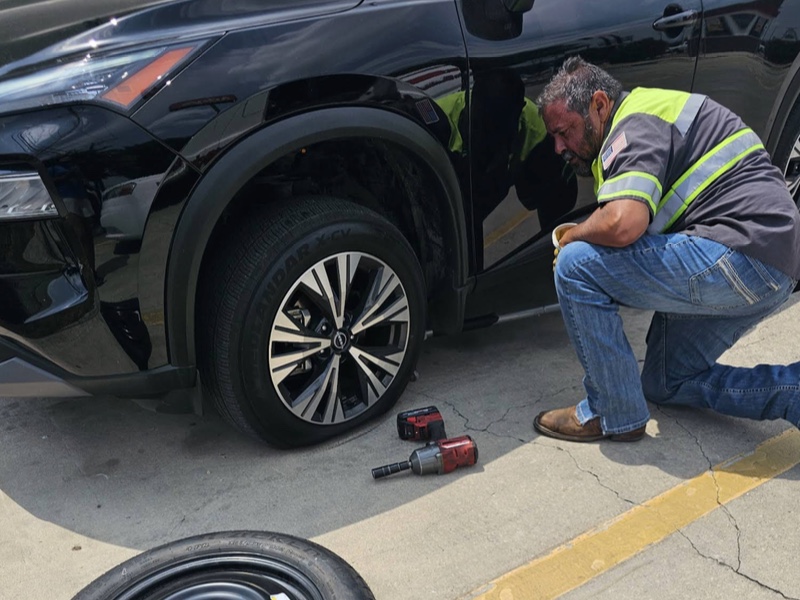
Mission Wrecker Service has operated in the San Antonio area since 1970, and Castle Hills towing calls involving stored, immobile, or deteriorated vehicles are a consistent part of what our team handles. With digital dispatch, GPS tracking, and live dispatchers available 24/7/365, we match the right equipment to every call and respond with trained operators who arrive prepared.
When a Castle Hills towing situation involves a vehicle that has been sitting for months, Mission Wrecker has the experience and equipment to handle it. Our dispatchers ask the right questions before the truck rolls, and our operators do not leave until the job is done. Call us any time and reach a live person who is ready.
FAQ
What is parasitic battery drain and which vehicles experience it most?
Parasitic drain refers to the small, continuous electrical draw that a vehicle’s computers, clocks, and security systems place on the battery even when the vehicle is off. All modern vehicles with electronic systems experience some level of parasitic drain. Vehicles with more complex electronics, larger infotainment systems, or factory security systems tend to drain faster. Over several weeks without charging, the cumulative drain is enough to fully discharge most batteries.
Does keeping a fuel tank full during storage actually help?
Yes. A full tank leaves less air space for moisture to condense inside the tank, which slows the oxidation process and reduces phase separation in ethanol-blended fuels. Combining a full tank with a fuel stabilizer provides the most protection against fuel degradation during a storage period of several months.
How do I know if my starting problems are from bad fuel or a weak battery?
If the engine cranks normally but does not start or starts and immediately runs rough, degraded fuel is the more likely cause. If the engine cranks slowly, clicks without cranking, or produces no response at all, a weak or dead battery is more likely. Both can be present at the same time in a vehicle that has been stored for months without preparation.
Is it better to store a vehicle in a garage or outside with a cover?
A garage is significantly better. It provides protection from temperature extremes, UV exposure, and moisture, all of which accelerate storage-related damage. An outdoor cover helps with UV and precipitation but does not protect against temperature swings or humidity. A ventilated garage in a moderate climate is the best available option for minimizing storage-related deterioration.
Can ethanol-blended fuel cause more storage damage than regular gasoline?
Yes. Ethanol is hygroscopic, meaning it absorbs moisture from the surrounding air. In a stored vehicle, this moisture accelerates corrosion inside the fuel system and can cause phase separation, where the ethanol and water separate from the gasoline. The water-ethanol mixture settles at the bottom of the tank and can enter the fuel lines before the gasoline does, causing immediate running problems when the vehicle is restarted.
What are the signs that a stored vehicle needs more than a jump start?
If the battery accepts a jump start but fails again within hours, a damaged battery is likely. If the engine starts but runs roughly, stalls immediately, or produces unusual smoke from the exhaust, fuel or oil issues from storage are probable. Any unusual noise from the brakes, pulling to one side during braking, or significant vibration at driving speed all suggest that the vehicle needs inspection before regular use.