Keeping It Upright From Curb to Concrete
You don’t ride a motorcycle just to get from point A to point B. It gives you mobility, freedom, and a sense of control you don’t get behind a windshield. For a lot of riders, the bike is a prized possession, something you maintain carefully and trust completely. Then it breaks down. Now you’re pulled over on the shoulder, bike angled just enough to remind you how exposed two wheels can feel off the road. Traffic keeps moving, heat builds, and all you want is for the motorcycle to be moved without tipping, dragging, or guesswork. That moment is where our process starts. In Houston motorcycle towing, rushing is how mistakes happen, and mistakes cost riders time, money, and trust.
Two Wheels, Zero Shortcuts
We treat motorcycle towing as a controlled operation, not a variation of vehicle towing. Two wheelers respond differently to load shift, vibration, and braking forces, so we plan the tow before anything is attached. That planning reduces movement and prevents stress on the bike during transport.
Our process starts at first contact. We check steering lock, note accessories or modifications, and assess weight distribution. These details determine how the motorcycle will be secured and positioned on the carrier.
Preparation Comes First
Before loading, we stabilize the motorcycle. We inspect tire condition, confirm handlebar alignment, and check ground clearance. This prevents unexpected movement during the transition from ground to carrier.
We then select load rated contact points designed to handle tension without stressing the frame. Placement matters here. Proper contact reduces flex and keeps the motorcycle aligned for the duration of the tow.
Loading Without Guesswork
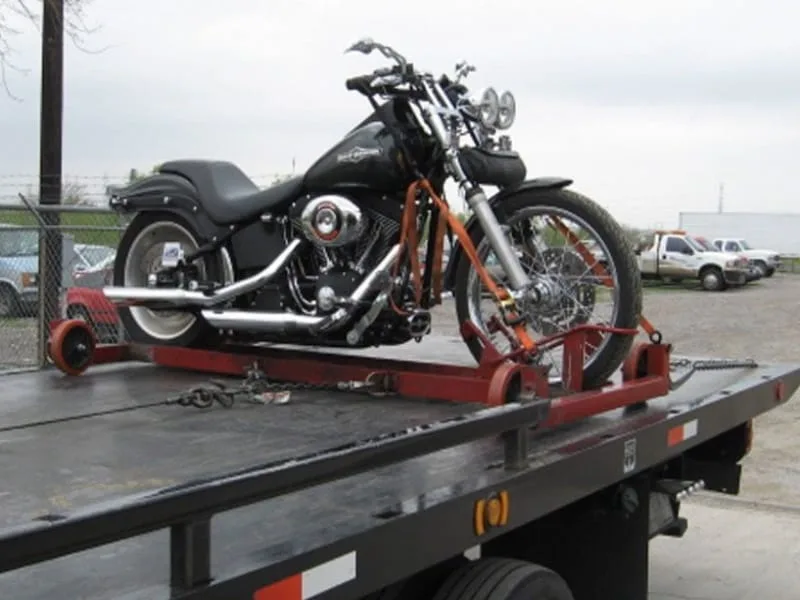
Loading is done slowly and evenly with the bike kept upright at all times. Heavier motorcycles and those with added accessories require incremental adjustments to maintain balance. Every movement is deliberate.
Once the motorcycle is on the carrier, we confirm balance before transport begins. Straps are tensioned evenly and rechecked after initial movement to account for settling. This reduces the risk of shift during braking or turns.
What Happens During the Tow
During transport, we adjust driving behavior to match the load. We increase following distance, take wider turns, and avoid abrupt speed changes. These adjustments limit lateral and forward force on the motorcycle.
Road conditions factor into every decision. Uneven pavement, construction zones, and traffic flow affect stability, so we adapt accordingly. For Houston motorcycle towing, consistency in movement is more important than speed.
Monitoring Along the Way
We visually inspect the motorcycle during stops and after longer stretches. Strap tension can change as weight settles, so we verify security rather than assume it holds.
We also account for wind and airflow. Motorcycles present a narrower, higher profile than cars, which affects how they respond at speed. Our driving reflects that from pickup to drop-off.
Unloading With the Same Care
Unloading follows the same controlled approach as loading. The motorcycle remains supported until both wheels are fully grounded and stable.
Before departure, we position the bike exactly where it needs to be, whether at a shop or final destination. The final steps are treated with the same care as the first.
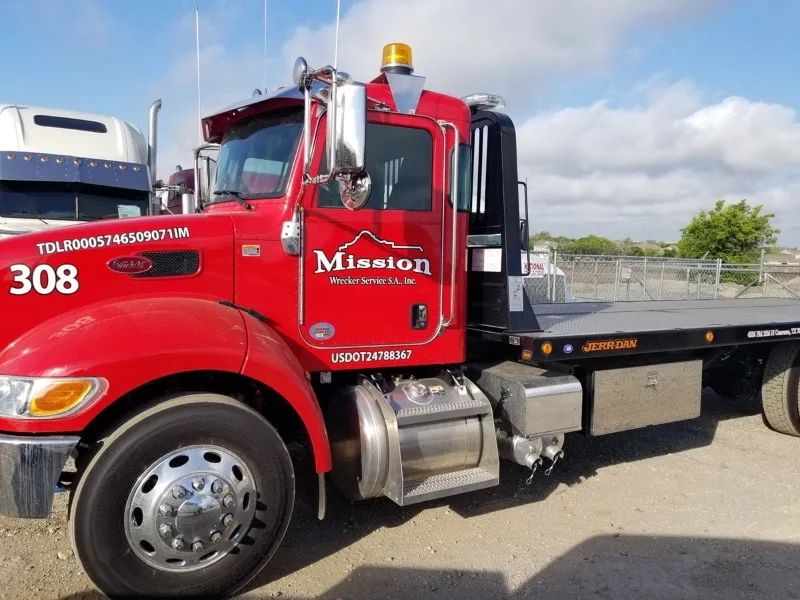
Mission Wrecker Sets the Standard for Houston Motorcycle Towing
At Mission Wrecker, Houston motorcycle towing is something we handle with intention, not shortcuts. We tow bikes for commuters, weekend riders, and long-distance travelers who need a steady hand. Our process stays consistent because consistency protects motorcycles.
We work with a clear checklist every time we provide Houston motorcycle towing. That includes preparation, controlled loading, steady transport, and careful unloading. Riders trust us because we stick to what works and avoid improvisation on the fly.
We do Houston motorcycle towing across the city and surrounding areas, adjusting for traffic, weather, and road conditions. When a rider calls Mission Wrecker, they get a team that treats motorcycles like machines built to be respected. For riders who need Houston motorcycle towing, we stay focused on the details that keep a two wheeler steady from pickup to drop-off.
FAQ
How is a motorcycle secured during transport?
A motorcycle is secured using load rated contact points and balanced strap tension. The bike stays upright, aligned, and supported to prevent movement during braking or turns.
Can a motorcycle be towed if the steering is locked?
Yes. Steering lock is checked during assessment and accounted for during positioning and tie down. The loading method adjusts to keep the front end stable.
Is flatbed towing better for motorcycles?
In most cases, yes. A flatbed allows the motorcycle to remain upright and fully supported, which reduces stress on the frame and suspension.
What happens if the motorcycle has custom parts or accessories?
Aftermarket parts are noted before loading. Strap placement and spacing are adjusted to avoid pressure on non load bearing components.
Do straps loosen during transport?
They can settle slightly as weight shifts. That is why tension is checked after loading and visually monitored during longer tows.
What should a rider do before the tow arrives?
If possible, leave the bike in neutral, turn off accessories, and point out any known issues or modifications. This helps speed up setup and reduces handling adjustments.