Separating Old Towing Stories From Current Towing Practices
Car owners hear plenty of warnings about towing. One rumor shows up again and again in conversations with stranded drivers: towing will ruin the transmission. We hear this claim often while providing Friendswood towing, and it usually comes from outdated information or secondhand stories. The reality is more practical. Vehicles move safely every day on tow trucks across the country, and proper procedures keep major components protected.
Drivers deserve clear information about how towing actually works. Confusion grows when people mix old towing methods with modern practices. We spend a lot of time explaining the basics because it helps drivers feel comfortable about the process. A little knowledge goes a long way toward clearing up myths and showing what really happens when a vehicle leaves the roadside on a tow truck.
Where the Transmission Damage Myth Started
Many of the warnings about towing and transmissions date back to older vehicles. Some of those cars required very specific towing methods. If someone pulled them incorrectly, the transmission could suffer damage. Those stories stuck around for years and still circulate today.
Modern towing practices look very different. Tow trucks now lift vehicles so the driven wheels stay off the ground. This approach prevents internal transmission parts from turning without lubrication. Our crews see many situations where drivers worry about their transmission even though the towing process protects it from harm.
Drivers also hear mixed advice online or from friends. That information often leaves out key details about how tow trucks operate today. Once people see the equipment and the loading process, the concern usually fades quickly.
Common Towing Myths We Hear
Drivers often share the same concerns when we arrive for a tow. These myths show up frequently:
- Towing always damages automatic transmissions
- A tow truck drags the vehicle down the road
- Putting the car in neutral prevents damage
- All vehicles must be flat towed
Each of these ideas leaves out important facts. Modern tow trucks lift vehicles in ways that avoid stress on major mechanical parts. Once drivers see how the truck loads the vehicle, the myths lose their power.
How Proper Towing Protects Your Vehicle
Tow operators follow clear procedures that protect vehicles during transport. The loading process keeps the car stable and prevents unwanted movement inside the drivetrain. When the driven wheels stay off the pavement, the transmission does not spin while the engine sits off.
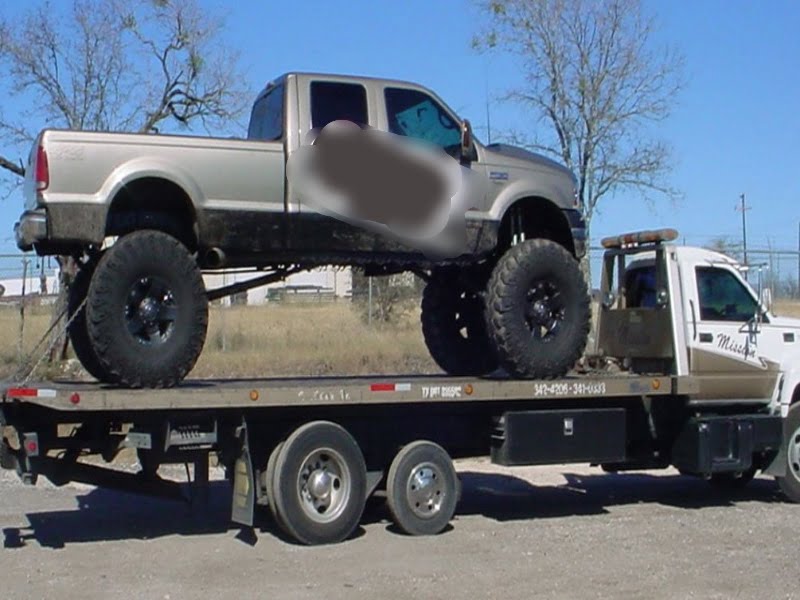
Flatbed trucks add another layer of protection. The entire vehicle rides on the truck’s deck instead of rolling on the road. Many people feel relieved once they see their vehicle secured on the bed and ready for transport. This setup removes nearly all concerns about drivetrain movement.
Drivers sometimes ask about manual transmissions, front wheel drive cars, and all wheel drive systems. Each type of vehicle has a proper towing approach. Tow operators check the configuration and load the vehicle accordingly.
Accurate Information is Essential
Clear information helps drivers make better decisions during roadside problems. Stress already runs high when a car stops working, and misinformation can make the situation worse. Honest explanations help drivers see that towing does not automatically harm their vehicle.
Our team spends time answering questions because it builds trust with drivers in the area. People appreciate straightforward explanations about what happens to their car once it leaves the roadside. That conversation often turns a stressful moment into a much calmer experience.
Mission Wrecker Delivers Friendswood Towing Services You can Trust
At Mission Wrecker, we spend a lot of time helping drivers sort fact from fiction about Friendswood towing. Questions about transmissions come up frequently, and we walk drivers through the process step by step. Once people see the equipment and the loading process, the worry usually fades.
Our work in Friendswood towing includes roadside assistance, vehicle recovery, and local transport throughout the area. During every Friendswood towing call, we focus on careful handling and clear communication with the driver. Many customers ask about transmission concerns during Friendswood towing, and we explain exactly how the vehicle rides during transport.
Drivers in the area rely on us for breakdowns, accidents, and transport between repair shops. At Mission Wrecker, we handle Friendswood towing calls every day while sharing clear information that helps drivers understand the process. Your vehicle is safe with us!
Frequently Asked Questions
Can towing actually damage a vehicle’s transmission?
Transmission damage during towing usually happens only if the vehicle moves incorrectly with its driven wheels on the road while the engine is off. Proper towing methods prevent internal parts from turning without lubrication. When the vehicle loads correctly onto a tow truck, the transmission stays protected during transport.
Why do people believe towing ruins transmissions?
Many of these concerns come from older vehicles that required very specific towing procedures. If someone towed those vehicles incorrectly, the transmission could suffer damage. Those stories continued to circulate long after towing equipment and procedures improved.
Does putting a car in neutral protect the transmission while towing?
Shifting a vehicle into neutral does not guarantee protection during towing. The correct loading method matters far more than the gear position. Tow operators position the vehicle so the drivetrain remains stable during transport.
Are some vehicles more sensitive to towing than others?
Yes. Different drivetrains require different towing approaches. Front wheel drive, rear wheel drive, and all wheel drive vehicles each have recommended loading methods. Tow operators check the vehicle type before securing it on the truck.
What is the safest way to transport a disabled vehicle?
Many operators use flatbed trucks because the entire vehicle rides on the truck deck. This keeps all four wheels off the pavement and prevents drivetrain movement. The vehicle remains stable from pickup to drop off.
What should drivers do before their vehicle gets towed?
Drivers should place the vehicle in park if possible, release the parking brake if instructed, and remove personal belongings. It also helps to share any mechanical issues with the tow operator. Clear communication helps the loading process move smoothly.