A Ceiling That Says Stop
Pull up to the entrance of any underground garage and the first thing the driver sees is a yellow sign with the magic number: 6 feet 9 inches, 7 feet 2 inches, maybe 8 feet flat. That ceiling means nothing to a sedan, but it turns a standard tow truck around at the entrance. Underground and low clearance recoveries are a regular part of Kohrville towing work, and they call for a different rig and a different plan than a roadside call.
Getting a car into a parking garage is easy; getting one out after a breakdown is harder. Low ceilings, tight ramps, blind corners, and limited radio reception turn a routine recovery into one of the more demanding jobs in the industry.
What Makes Garage Recoveries Different
A standard tow truck stands 11 to 14 feet tall, while a typical parking garage entrance clears around 7 feet. A regular rig is not going inside, and any recovery from the lower levels has to happen with a truck built lower or with workarounds at the surface.
Garages add other constraints too. Turning radius matters because internal ramps are tight, visibility drops at every corner, and radios and cell service can fade two levels down. A driver has to read the structure, communicate with the building, and plan an exit path before a single chain comes out.
Common Scenarios
Calls from parking structures fall into a handful of recognizable patterns:
- Dead batteries that leave a car unable to start at the end of the day
- Flat tires too damaged to drive on the spiral ramp out
- Minor collisions in tight turning lanes that disable the steering
- Lockouts inside structures that closed for the night
- Vehicles abandoned in spots they should not have been in
- Mechanical failures that prevent shifting out of park
Each gets a different response, but every one starts with the same question: can a low-profile recovery vehicle reach the car?
The Right Truck for the Space
Trucks that handle these recoveries look different from a typical wrecker. Low-profile tow trucks ride a few feet shorter than a standard rig, with the cab and boom designed to clear seven-foot ceilings. Some operators run flatbeds with collapsible light bars; others use compact wheel-lift units built for indoor work.
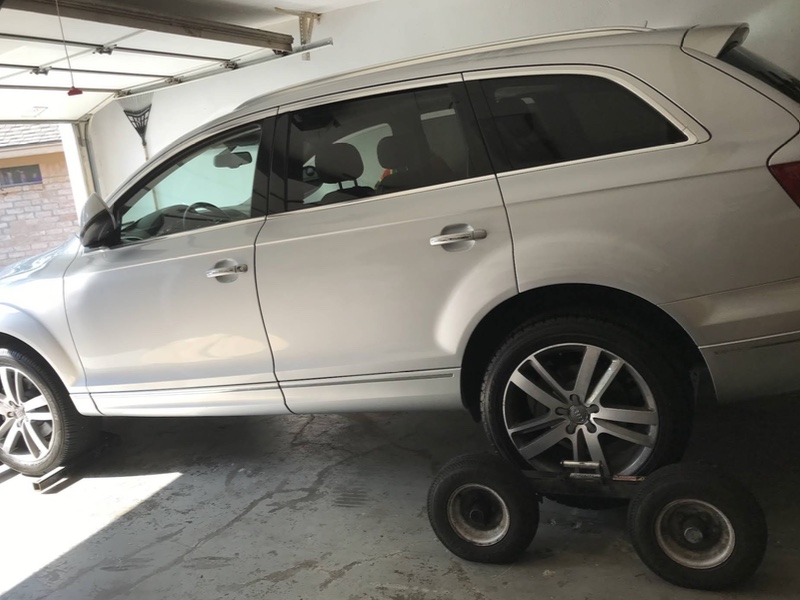
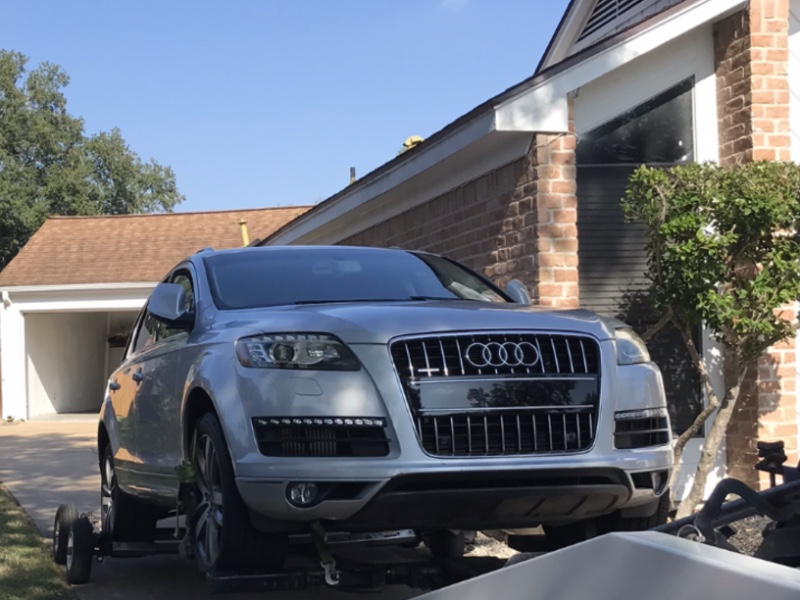
The gear shifts too. Dollies, skates, and battery-powered winches let an operator move a car the last fifty feet by hand when the truck cannot get close. A complete Kohrville towing rig for indoor work carries all of it, since no two garages have the same layout.
How a Recovery Plays Out
A typical underground Kohrville towing call follows a sequence. The dispatcher confirms the structure, level, and clearance with the customer or building operator. The driver arrives, checks the ceiling at the entrance, and rolls in only if the truck will clear with room to spare. If the truck cannot reach the car, the operator uses dollies and a winch to move it to a level where the truck can take over.
Communication is half the job. A driver coordinates with building security, blocks lanes only as long as needed, and confirms the exit path before lifting the car.
Why These Calls Can Take More Time
A garage recovery rarely matches the timeline of a roadside tow. Between confirming clearance, navigating ramps, repositioning dollies, and coordinating with the building, an indoor job often runs two to three times longer than a curbside call. Kohrville towing operators who handle these regularly build that time into the estimate up front.
Customers can speed things along by giving the dispatcher details at the first call: address, level, parking spot, ceiling height if posted, and the gate code. Those details save the driver from making calls on arrival.
Mission Wrecker on Kohrville Towing From Tight Spaces and Underground Decks
At Mission Wrecker, Kohrville towing from low clearance and underground structures is part of what we do every week. Our fleet includes low-profile rigs built for parking decks, alongside heavy duty trucks ready for the rest of the day’s work. Operators arrive with dollies, skates, and battery winches as standard kit.
If you have a car stuck in a garage, our Kohrville towing dispatchers will ask the right questions so the truck shows up ready. We will get your vehicle moving with the least disruption possible.
Frequently Asked Questions
What is the standard ceiling height for parking garages?
Most modern parking garages clear between 7 feet and 8 feet 2 inches, though older structures can be lower. Federal accessibility guidelines require 8 feet 2 inches at van-accessible spaces, but ramps and lower levels often dip below that. Drivers can check the posted height at the entrance before entering.
What if my keys are locked in the car in a garage?
Most tow operators can either unlock the car at the spot or load the vehicle and bring it out for the locksmith to handle. Bringing a locksmith into a garage adds time and coordination, so confirming with the dispatcher up front saves a return trip later.
Will a tow in a parking garage damage the floor or surrounding cars?
A trained operator working with the right gear leaves no marks. Dollies and skates spread the vehicle’s weight, and flatbed loading happens outside the structure when possible. Damage usually comes from rushed jobs or operators using the wrong gear, which is one reason experienced crews are worth the call.
Do I need to be present for a tow from a private parking garage?
It depends on building policy. Many residential or commercial buildings require the vehicle owner or an authorized agent to grant access. Some buildings allow the tow operator in with proof of ownership or a written authorization. Check with the building manager before booking the tow.
How can I prevent needing a tow from a parking garage?
Most garage tows trace back to dead batteries, flat tires, and fluid leaks. Regular battery testing, monthly tire pressure checks, and quick attention to dashboard warning lights cut the odds significantly. A simple jump-start kit in the trunk can also save a tow on a slow cold morning.
Can a tow operator handle an electric vehicle stuck in a garage?
Yes. Electric vehicles need a flatbed or proper dolly setup to avoid damaging the drivetrain, since EVs typically cannot be flat-towed with their drive wheels on the ground. Most operators bring the right gear once they know the make and model on the call.