
The High Price of Standing Still
Truck downtime reaches far beyond the repair bill. One disabled rig can disrupt drivers, schedules, shop plans, and customer deliveries. Imagine a loaded tractor losing power on during a normal freight run. The driver reaches the shoulder, calls dispatch, and waits while traffic keeps moving. That is where I-610 heavy towing becomes part of a larger business operation for the freight carrier. The clock is ticking, because the truck stops earning.
But driver time, delivery windows, and customer expectations don’t stop or stand still. A missed dock appointment can push the load into the next delivery window. Another tractor may need to leave its route to pick up the trailer. Even a short roadside delay can create hours of extra work for the fleet.
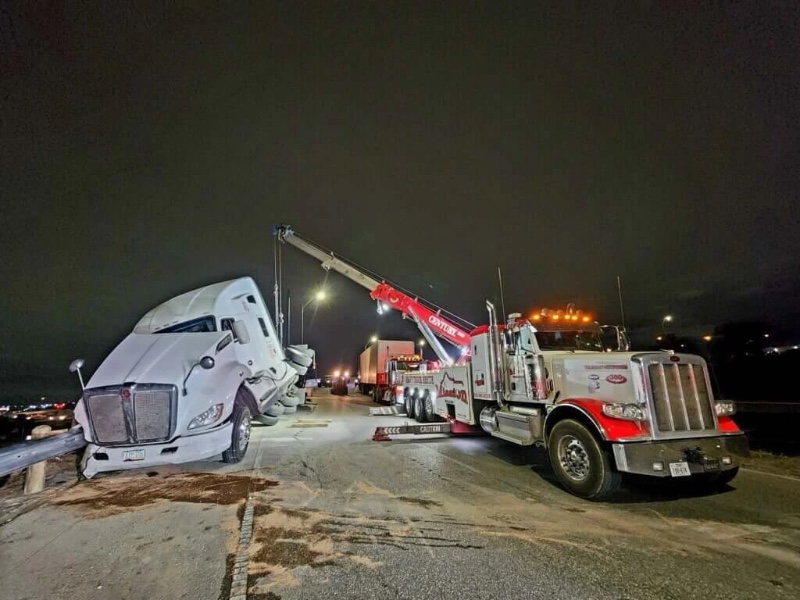
Where Downtime Starts Adding Up
A disabled commercial vehicle can affect several people before the tow truck arrives. The driver may have another pickup scheduled. The trailer may hold freight with a firm delivery time. The fleet manager may already be looking for a replacement tractor or calling the receiving dock.
The towing bill is one visible cost. The delay can also lead to detention charges, missed appointments, extra driver hours, hotel stays, storage, or another truck leaving its route to recover the trailer. Even a short roadside delay can reshape the rest of the day.
Refrigerated freight brings another concern. The trailer still needs fuel and temperature control while the tractor sits. Hazardous materials, oversized loads, and damaged cargo may also require added coordination before anything moves from the shoulder.
Good Dispatch Cuts Out Avoidable Waiting
Good I-610 heavy towing starts with clear information. We need the tractor type, trailer length, load condition, direction of travel, and exact position on the road. A truck sitting straight on a wide shoulder needs a different setup from a tractor angled against a barrier.
Those details help us send the right equipment first. On some I-610 heavy towing calls, a heavy wrecker can handle the tractor and trailer together. Other scenes need extra rigging, a second unit, or a plan for separating the tractor from the load.
The Destination Matters Before the Truck Moves
The recovery plan should include the next stop. Can the repair shop accept the truck right away? Is the fleet sending another tractor for the trailer? Does the unit need to go to a dealer, company yard, or secure storage lot? A well-planned I-610 heavy towing response answers those questions early.
Fleet managers may need to account for:
- Remaining driver hours
- Missed pickup or delivery appointments
- Replacement tractor availability
- Cargo transfer or trailer swap needs
- Repair shop hours and access
- Overnight storage
- Customer and broker updates
Moving a truck twice because the first destination cannot take it adds cost and delay. I-610 heavy towing works better when dispatch, the driver, and the destination agree on the plan before the unit leaves the highway.
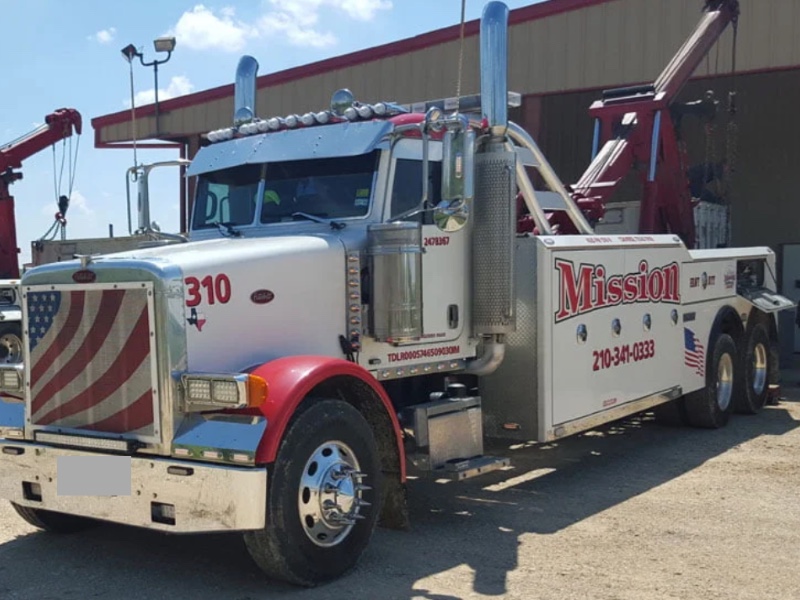
Mission Wrecker Service Keeps I-610 Heavy Towing Focused on Downtime Reduction
Mission Wrecker handles disabled tractors, trailers, big rigs, load shifts, cargo transfers, and heavy recovery work around Houston. Our I-610 heavy towing services can include tractor swap-outs, winching, mobile diesel support, and equipment needed for commercial loads that cannot move under their own power.
During I-610 heavy towing, we ask direct questions and match the recovery truck to the weight, position, and load. We also confirm the destination before transport begins. Around Houston, I-610 heavy towing can affect a driver, warehouse, dispatcher, broker, and customer several states away, so every avoidable delay matters.
FAQs
How much can one hour of truck downtime cost?
The amount varies by load, driver pay, fuel needs, and delivery schedule. Missed appointments and replacement equipment can push the cost higher than the repair itself.
Can another tractor pick up a disabled truck’s trailer?
Often, yes. The trailer must be stable, accessible, and compatible with the replacement tractor. Damaged landing gear or shifted cargo may need attention first.
What happens to refrigerated cargo during a breakdown?
The refrigeration unit usually keeps running separately from the tractor. Drivers and dispatchers still need to monitor fuel and temperature. A long delay may require another trailer or cargo transfer.
Does a towing company need to know what the trailer is carrying?
Yes. Cargo weight, type, and condition affect equipment selection and the recovery plan. Hazardous or unstable freight may require extra coordination.
Can a heavy tow truck move a loaded tractor-trailer?
Yes, provided the wrecker and rigging are rated for the combined weight. The operator will also check the axles, brakes, steering, and trailer connection before moving it.
Why should the repair destination be confirmed before towing?
Some shops lack the space, equipment, or staff to accept a commercial truck. Confirming access first avoids a second tow, added storage, and more downtime.